

Week in News: 21st September

Updated: Sep 28
When I began my blog back in the height of spring, I had every intention of sharing conservation and environmental stories, bringing the wild to you and attempting to slot slices of advocacy into everyday life.
Simply knowing what's happening across the world - the challenges facing our planet and powerful stories of success in tackling some of those issues - is the first step in feeling confident enough to take action towards a kinder world.
After a hiatus from my blog (courtesey of a new job, a cross-country move, a holiday of a lifetime and more), I'm back with renewed energy, as autumn bleeds in and the crisp seasonal air sharpens. Linked with my Instagram @madelaineinthewild, where I've been sharing three environmental news stories from the previous week, I'll aim to bring you your Week in News.
44% of UK constituencies have low access to nature, despite Government pledge
Equal access to nature has previously been promised by the Labour Government, and the summer's scorching heatwaves and periods of drought show just why green and blue spaces (such as rivers, canals, ponds and wetlands) are so vital to communities.
The ability of trees and green spaces in providing shade and cooler air temperatures, known as urban heat island effects, are highly publicised. So too are the benefits of nature and the environment on our mental health and emotional wellbeing.
Yet, new research published by the Wildlife Trusts and Liberals and Democrats for Nature and Climate (LDNC) shows that almost half of the UK's constituencies fail to provide residents with equal access to nature and its associated benefits. In 44% of constituencies, at least 20% of properties are more than fifteen minutes away from the nearest green or blue space.
Leopardus tilcayo, the first wild cat species discovered in a century, breaks the internet
The first new species of wild cat discovered and named by Western science in over a hundred years made waves this week, after Bolivian scientist Paola Nogales-Ascarrunz noticed something unusual about a tiger cat housed in a wildlife sanctuary.
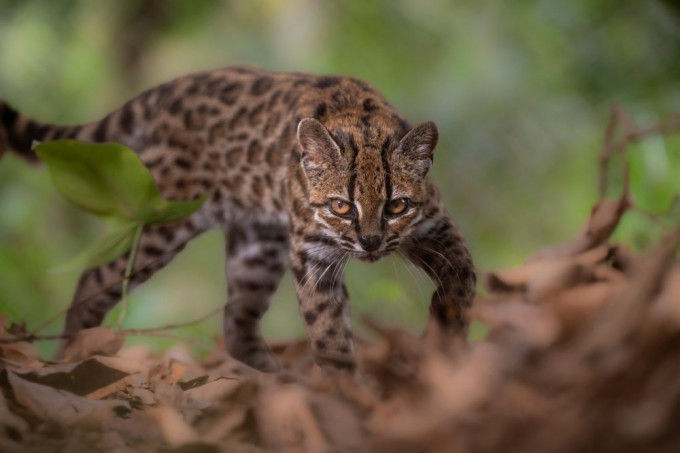
Tiger cats, also known as oncillas or tigrinos, are found across Central and South America. The cat at the centre of this newly published study was first thought to be an oncilla (Leopardus tigrina), but Nogales-Ascarrunz soon noticed that the rosette patterns of the cat's fur were much bigger than would be expected.
Genetic analysis, exploring the individual's DNA, reveals what the eye alone cannot see. This mystery cat is in fact its own species, new to science though not to local people who know it as tilcayo. Named Leopardus tilcayo, little is known about this revolutionary new cat beyond the fact it makes its home in Bolivia's Yungas forest ecoregion.
Iceland set to submit bill which could see end of commercial whaling
As one of just three nations still permitting commercial whaling, alongside Japan and Norway, Iceland has faced mounting opposition in recent years to put an end to the practice.
Now, a bill set for submission in February 2027 could see the Icelandic government vow to phase out commercial whaling in its waters for good. Animal rights organisations and Icelandic ministers alike have expressed support for a ban, while the nation's remaining whaling company Hvalur believes the bill will once again amount to nothing.
Hvalur have this season alone caught 85 fin whales - the world's second largest species - not yet reaching their agreed quota of 150 animals. According to the IUCN, fin whales are globally vulnerable to extinction, but only time will tell if Iceland's waters will become a safe haven for these cetaceans.
Sources:
About the Author:
Madelaine is a Zoology and Science Communication graduate, now working as Engagement Officer for a natural history and heritage charity. Passionate about engagement with science and nature, and rediscovering a love of writing, she aims to document her experiences with the wild through blogs, wildlife photography, and tales of the natural world.



Comments